5 Ways to Keep Your Construction Project on Time and on Budget

Learn how clear scopes, realistic budgets, early decisions, regular reviews, and contingency planning can keep construction projects running efficiently.

Begin with a Clear Project Scope

A construction project becomes easier to control when the scope is defined before work begins. The project team should understand the required spaces, building size, quality expectations, budget range, technical requirements, and target completion date. Unclear requirements often lead to repeated revisions and additional costs.

Establish a Realistic Budget

The project budget should include more than the visible construction work. Professional fees, permits, site preparation, utility connections, material delivery, taxes, temporary facilities, and contingency funds must also be considered. A realistic financial plan helps the client make informed decisions throughout the project.

Essential Planning Documents

Project Control Box Before construction starts, prepare a detailed scope of work, construction drawings, material specifications, cost estimate, project schedule, payment plan, and approval process. These documents create a shared reference for the client, consultant, contractor, and suppliers.

Make Decisions Before They Become Urgent

Late decisions can interrupt construction and create unnecessary expenses. Materials, finishes, lighting, sanitary fixtures, doors, and custom furniture should be reviewed according to the project schedule. Early approval gives suppliers and contractors enough time to prepare, order, and install each item correctly.

“The most expensive construction decisions are often the ones made too late.”

A Reminder About Project Control

Review Progress Regularly

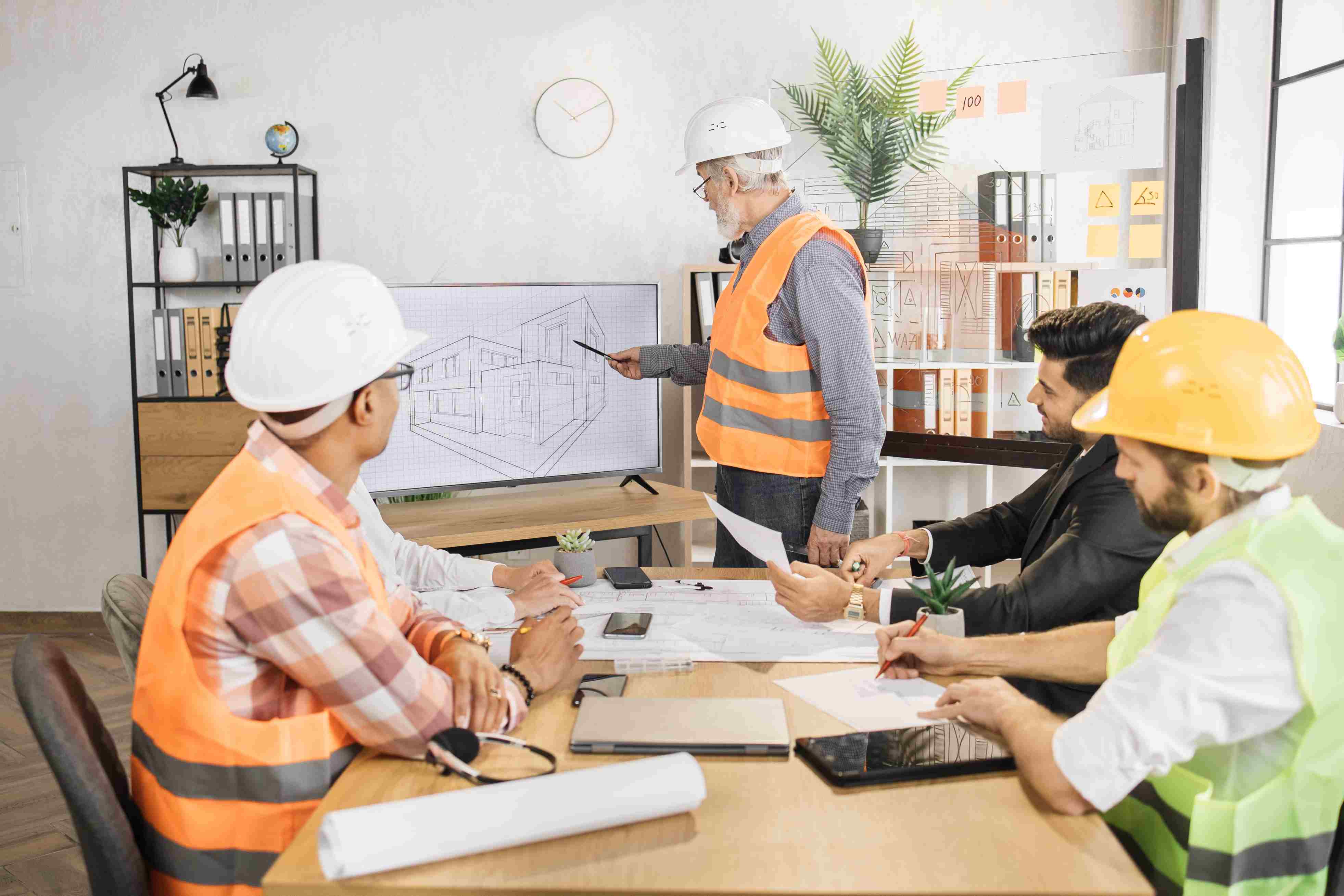
Scheduled site meetings allow the team to compare actual progress with the project plan. These reviews should cover completed work, upcoming activities, material availability, quality concerns, costs, and required client approvals. Regular communication helps resolve small issues before they affect the overall timeline.

Maintain a Practical Contingency

Even well-planned projects may encounter weather delays, price changes, hidden site conditions, or unexpected technical requirements. A contingency budget provides flexibility without immediately disrupting the main project scope. It should be managed carefully and used only for necessary changes or unforeseen conditions.

Ideas for better spaces and better builds.

Practical insights about architecture, construction, materials, interiors, and property development.