Before You Build: What to Prepare for a Residential Project

Understand the essential preparation needed before starting a residential project, from site information and priorities to budgets, timelines, and team selection.

Define How the Home Will Be Used

Before discussing architectural style, homeowners should identify their daily needs. Consider the number of occupants, working habits, storage requirements, privacy expectations, future family changes, and preferred social activities. These details help the design team create a home that supports real routines.

Collect Accurate Site Information

Site dimensions, boundaries, access points, topography, utility locations, drainage, soil conditions, and surrounding buildings can influence the design. Accurate information reduces assumptions and allows the architect to respond properly to sunlight, wind, views, privacy, and construction access.

Residential Project Preparation

Preparation Box Prepare land documents, site measurements, a list of required rooms, reference images, preferred materials, estimated budget, target timeline, and information about local building regulations. Organizing these items early can make the initial design process more productive.

Set Priorities for the Budget

Most residential projects involve choices between size, material quality, custom details, technology, and landscape work. Homeowners should identify which elements are essential and which can be adjusted. Clear priorities allow the team to protect the most important parts of the design when costs need to be reviewed.

“A successful home begins with honest priorities, not with a collection of beautiful reference images.”

A Reminder Before Construction

Understand the Project Stages

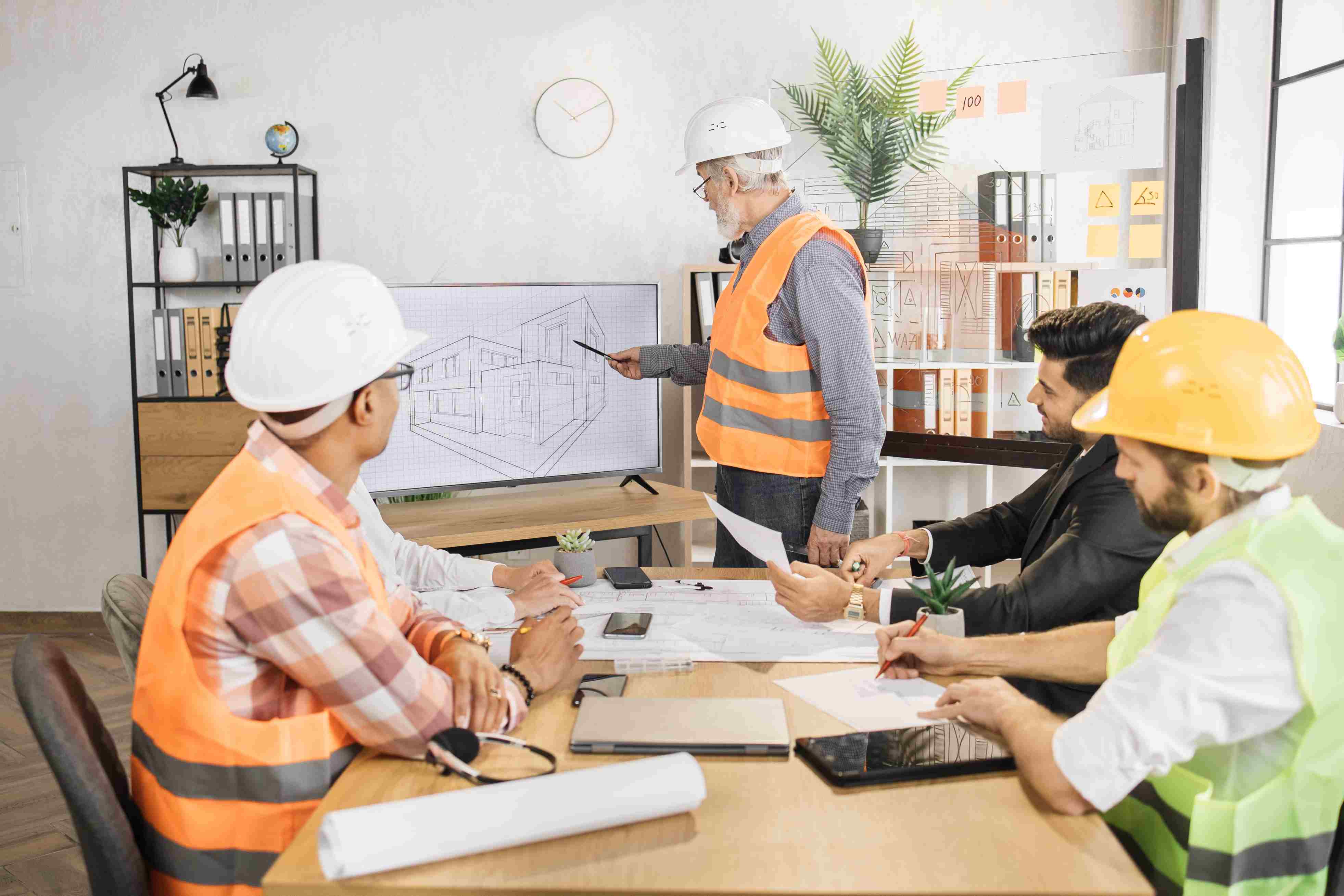
A residential project usually moves through briefing, concept design, design development, technical documentation, cost estimation, approvals, construction, and handover. Understanding these stages helps homeowners know when decisions are required and why adequate preparation time is important.

Choose the Right Project Team

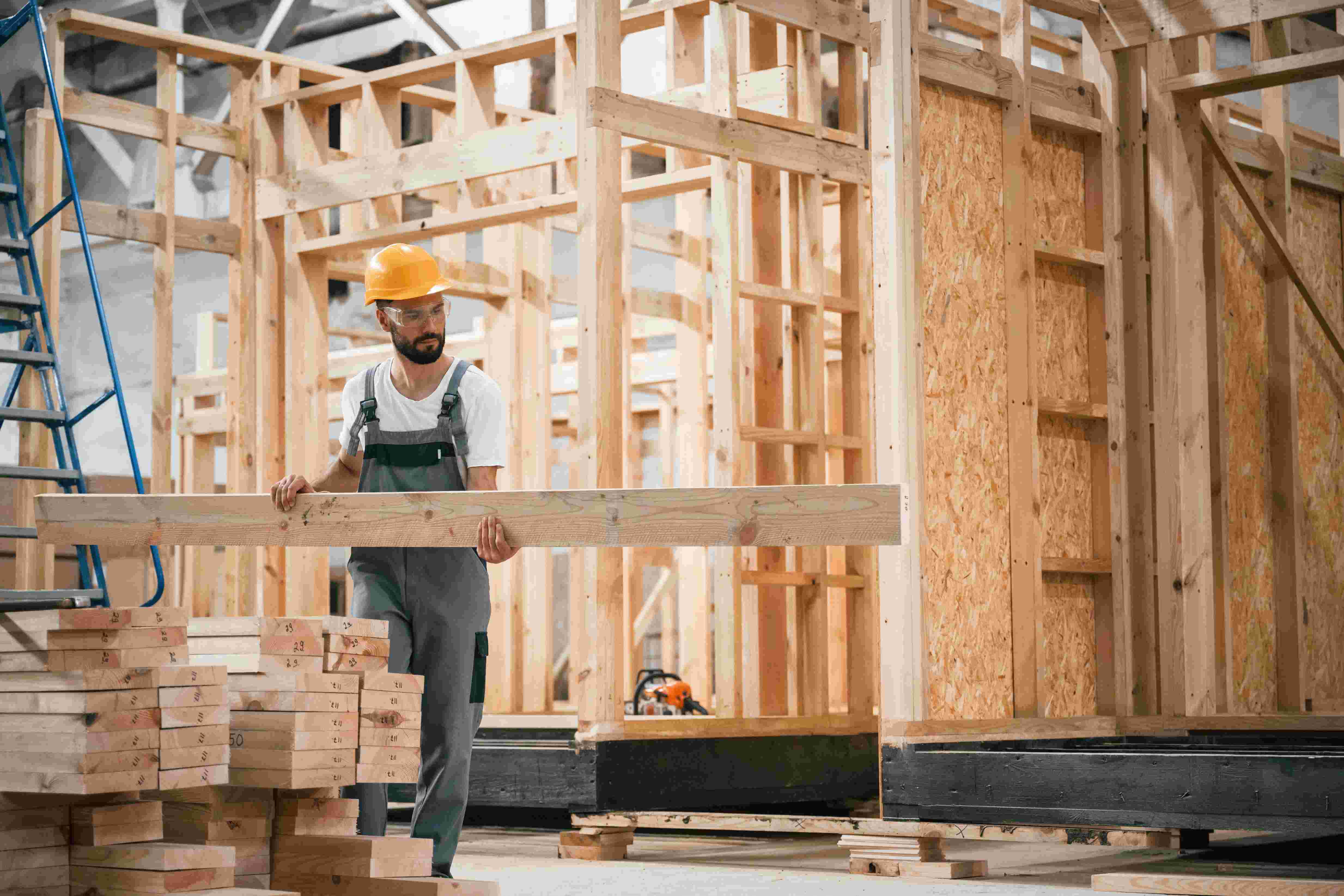
The architect, interior designer, contractor, consultants, and suppliers should be selected based on relevant experience, communication, technical capability, and working approach. A coordinated team can manage risks more effectively and maintain consistency from the first idea through final construction.

Headline News!

Lorem ipsum dolor sit amet, consectetur adipiscing elit.

Ideas for better spaces and better builds.

Practical insights about architecture, construction, materials, interiors, and property development.