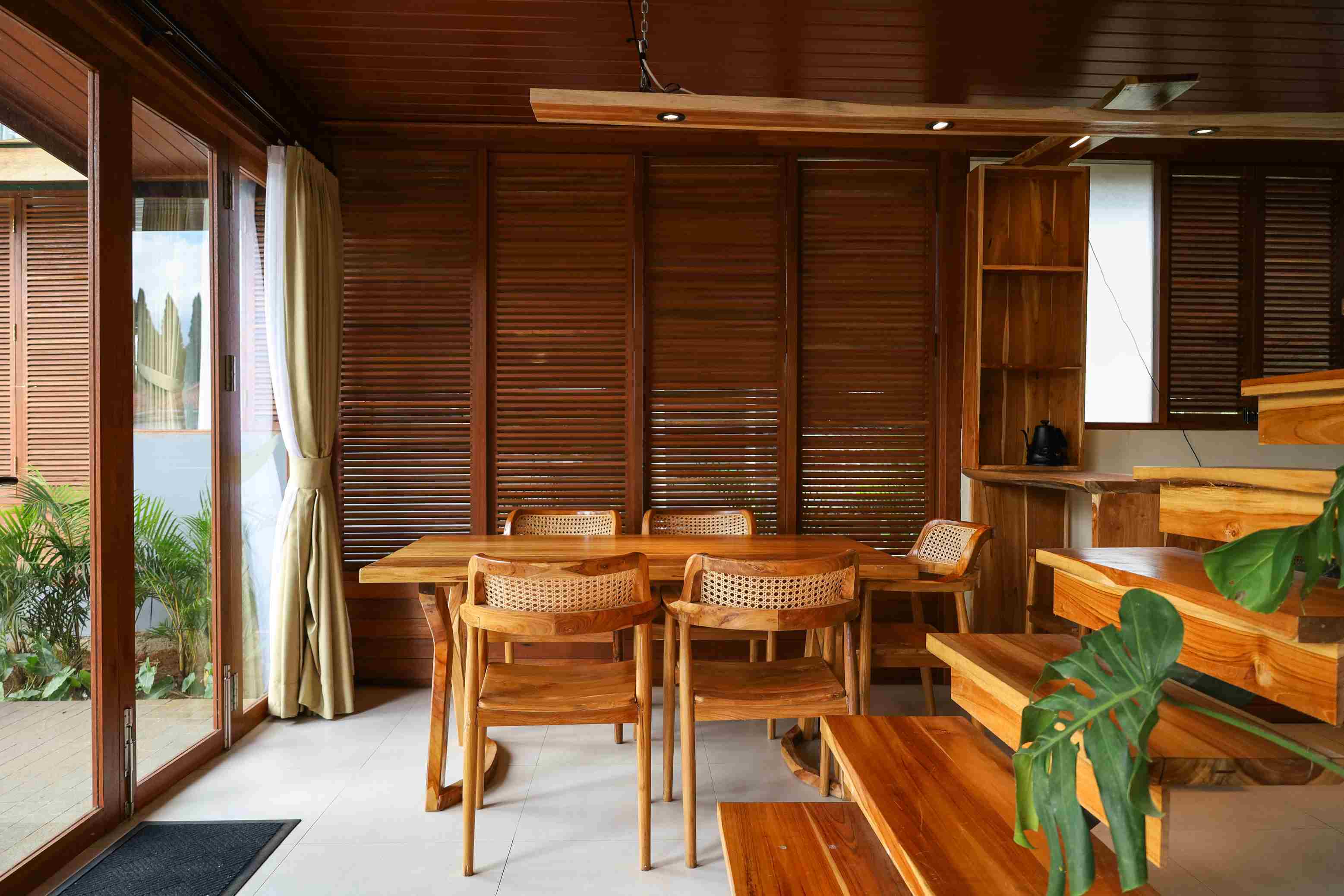
Designing for Indonesia’s Tropical Climate
Explore practical design strategies for creating comfortable buildings that respond naturally to Indonesia’s heat, humidity, sunlight, wind, and seasonal rainfall

Understanding the Local Climate
Designing a building in Indonesia requires a clear understanding of heat, humidity, sunlight, wind, and heavy seasonal rainfall. Instead of treating these conditions as obstacles, architects can use them as the foundation for better design decisions. A climate-responsive building feels more comfortable, uses energy more efficiently, and performs better throughout the year.
Orienting the Building Carefully
Building orientation has a direct impact on indoor temperature and natural lighting. Reducing exposure to intense morning and afternoon sunlight can help control heat gain, while carefully positioned openings allow daylight to enter without creating excessive glare. The site layout should also respond to prevailing wind patterns and surrounding structures.
Passive Design Checklist
Prioritize shaded windows, cross ventilation, roof overhangs, breathable materials, covered outdoor areas, and landscape elements that reduce direct heat. These passive strategies should be considered before relying heavily on air-conditioning or other mechanical systems.
Encouraging Natural Airflow
Cross ventilation allows fresh air to move through a building and removes trapped heat. Windows, doors, internal openings, courtyards, and voids should be positioned to create a continuous path for airflow. Rooms with openings on more than one side generally provide better comfort than spaces with only one ventilation source.
“A tropical building should work with the climate before it depends on mechanical systems.”
A Principle for Tropical Architecture
Choosing Suitable Materials
Materials used in tropical environments need to handle moisture, temperature changes, sunlight, and regular rainfall. Durable finishes, protected timber, breathable wall systems, and properly detailed roof connections can reduce maintenance problems. Material selection should balance appearance, availability, performance, and long-term care.
Creating Comfortable Spaces Naturally
Successful tropical architecture combines practical environmental responses with a strong visual identity. Shading, ventilation, greenery, and natural materials can become defining parts of the design rather than hidden technical solutions. The result is a building that feels calm, comfortable, and connected to its surroundings.
Headline News!
Lorem ipsum dolor sit amet, consectetur adipiscing elit.
- Journal and Insights
Ideas for better spaces and better builds.
Practical insights about architecture, construction, materials, interiors, and property development.
Creating Stronger Connections Between Interior and Exterior Spaces
Learn how openings, transitional spaces, materials, landscape, and spatial planning can create a stronger relationship between indoor and outdoor environments.
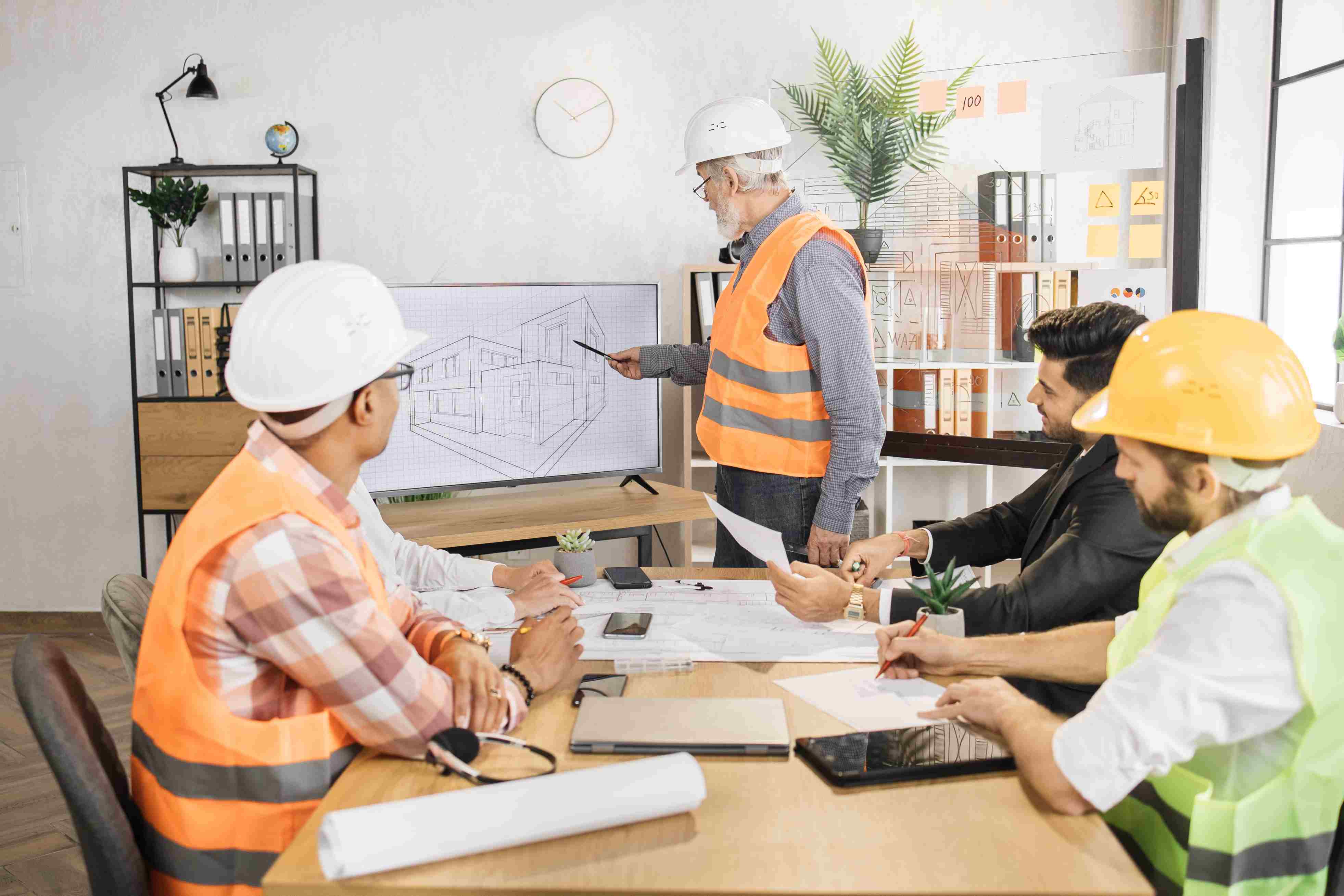
Before You Build: What to Prepare for a Residential Project
Understand the essential preparation needed before starting a residential project, from site information and priorities to budgets, timelines, and team...

How to Choose Durable Materials for a Modern Home
A practical guide to choosing home materials based on appearance, performance, maintenance, environmental exposure, and long-term value.


